Ironclad Environmental • Industrial Waste Logistics + Remediation Engineering
Industrial remediation, documented to withstand scrutiny.
Decision‑grade site characterization, chain‑of‑custody discipline, and field execution—integrated into a single compliance narrative for approvals, defensible decisions, and confident closeout.
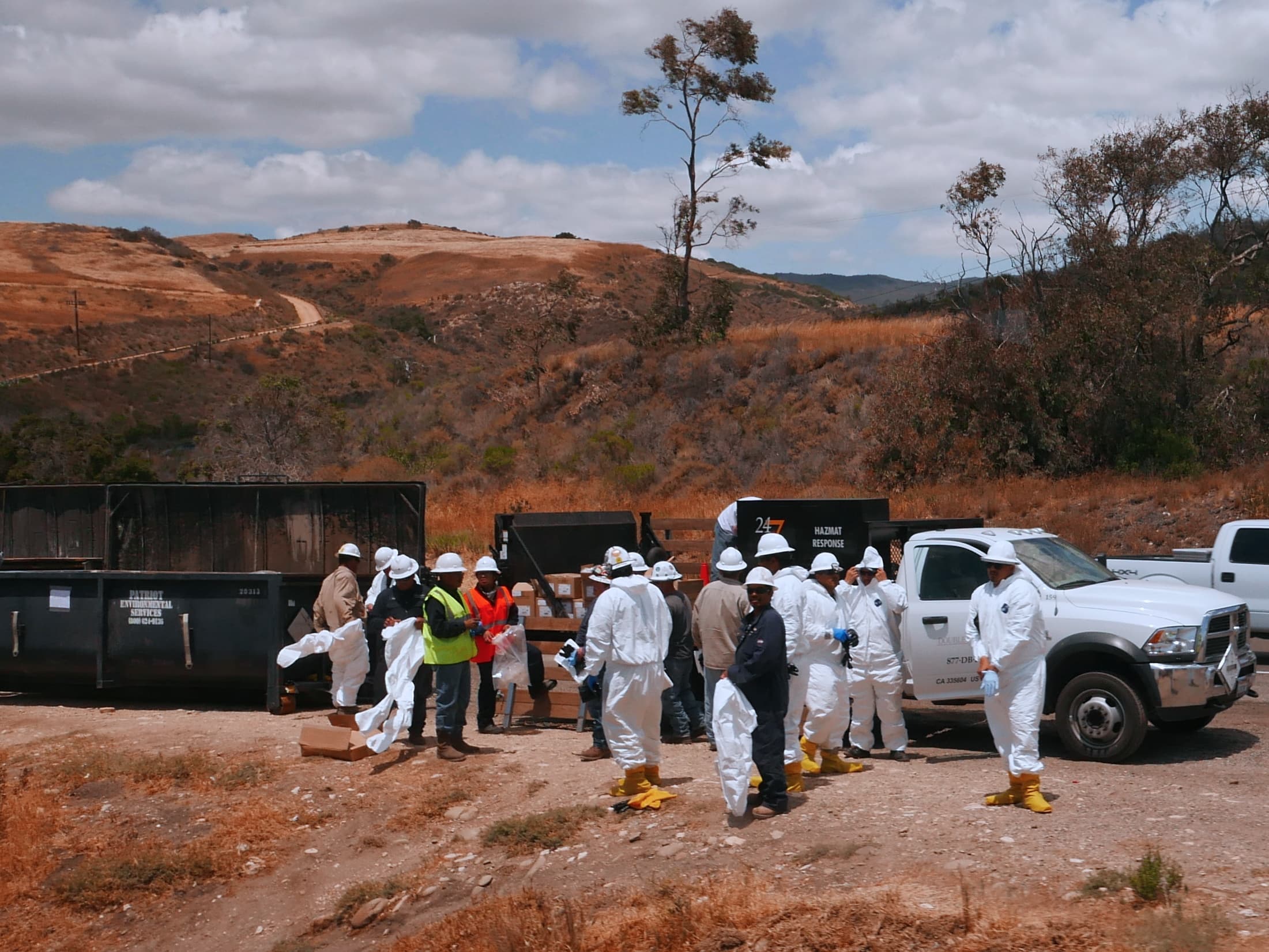
Great Lakes industrial corridor
N 41.64 • W 87.50
Compliance Frameworks & Deliverables
About
Engineering-led remediation with a defensible evidence chain.
Ironclad Environmental is built for regulated operators who need more than a contractor—they need a defensible record of decisions, field controls, and compliance continuity. Our work integrates technical execution with the documentation discipline required for internal audits, lender diligence, and regulator review.
Safety & field governance
JHAs, work controls, and operational discipline designed to reduce incident risk in active facilities.
Zero-landfill mindset where feasible
Stabilization, segregation, and treatment pathways selected to reduce disposal volumes without compromising endpoints.
Compliance continuity
Profiles, manifests, chain-of-custody, and closeout packages structured for traceability, retention, and regulator review.
Documentation posture
Deliverables are treated as part of the engineering work product—versioned, traceable, and structured so assumptions and residual risk controls are explicit.
Evidence pack: SAP • HASP • QA/QC • profiles • manifests • as-builts • closeout narrative
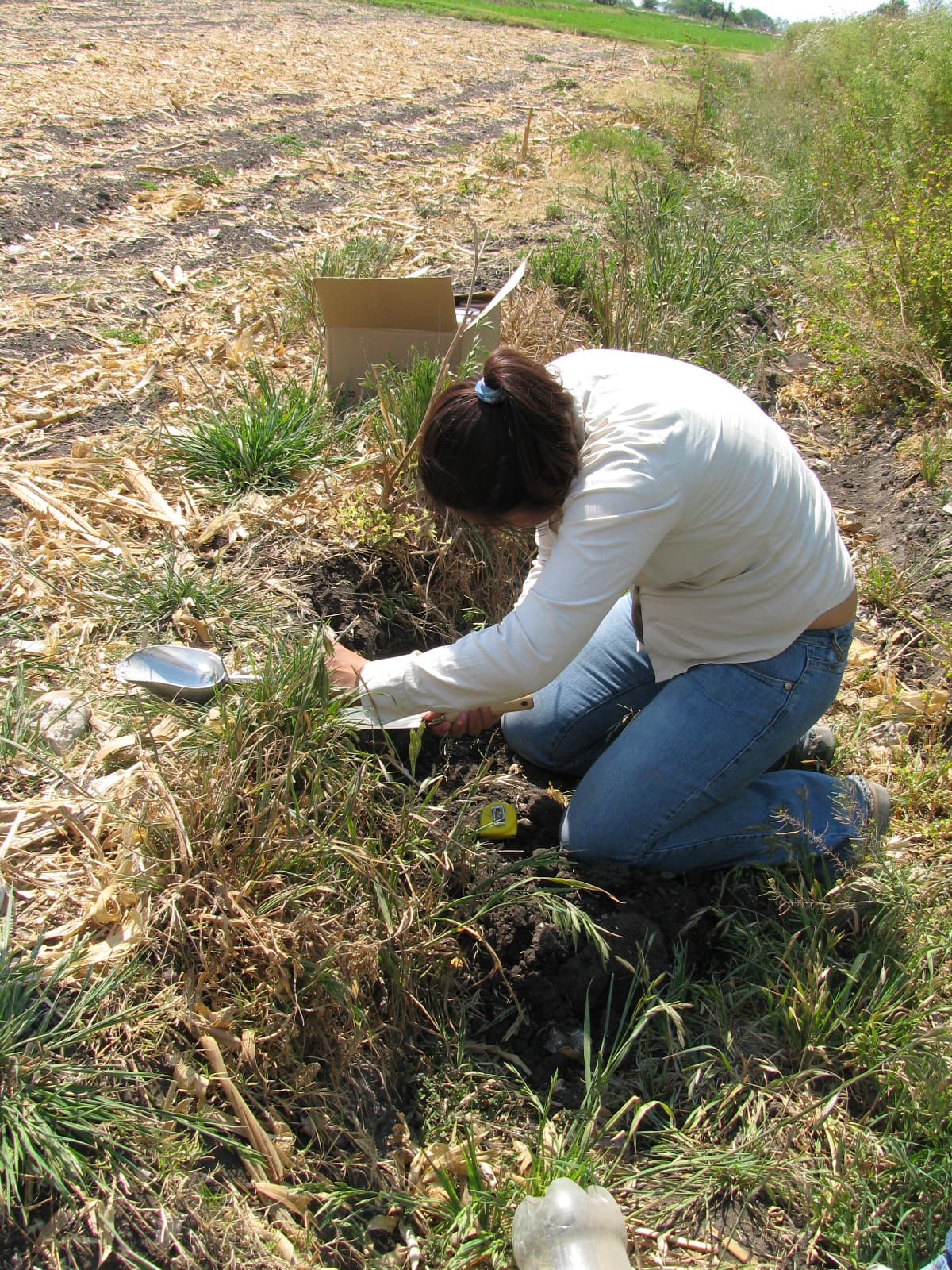
Typical Deliverables
Sampling plans • QA/QC validation • Volume reconciliation • Regulator-ready closeout narrative
Methodology
A phased workflow aligned to decision gates.
Schedules slip when regulatory steps are treated as afterthoughts. We structure projects around clear gates—investigation, approvals, execution, and monitoring—so stakeholders understand what drives time, cost, and residual risk.
GATE-01 • Step 1
Phase I ESA
Records review, site reconnaissance, and recognized environmental conditions (RECs).
Output: Phase I report + risk posture for next-step sampling.
GATE-02 • Step 2
Phase II ESA
Decision-grade sampling, QA/QC, plume/source delineation, and conceptual site model.
Output: validated datasets + CSM suitable for remedy selection discussions.
GATE-03 • Step 3
Permitting & Approvals
Agency coordination, work plans, disposal acceptance, and mobilization readiness.
Output: approved work plan + acceptance criteria + mobilization checklist.
GATE-04 • Step 4
Active Remediation
Source control, media management, treatment trains, and weekly milestone reporting.
Output: as-built volumes + variance log + weekly milestone narrative.
GATE-05 • Step 5
Final Monitoring
Trend review, anomaly response, and closeout documentation tied to cleanup objectives.
Output: trend stability memo + closeout narrative aligned to endpoints.
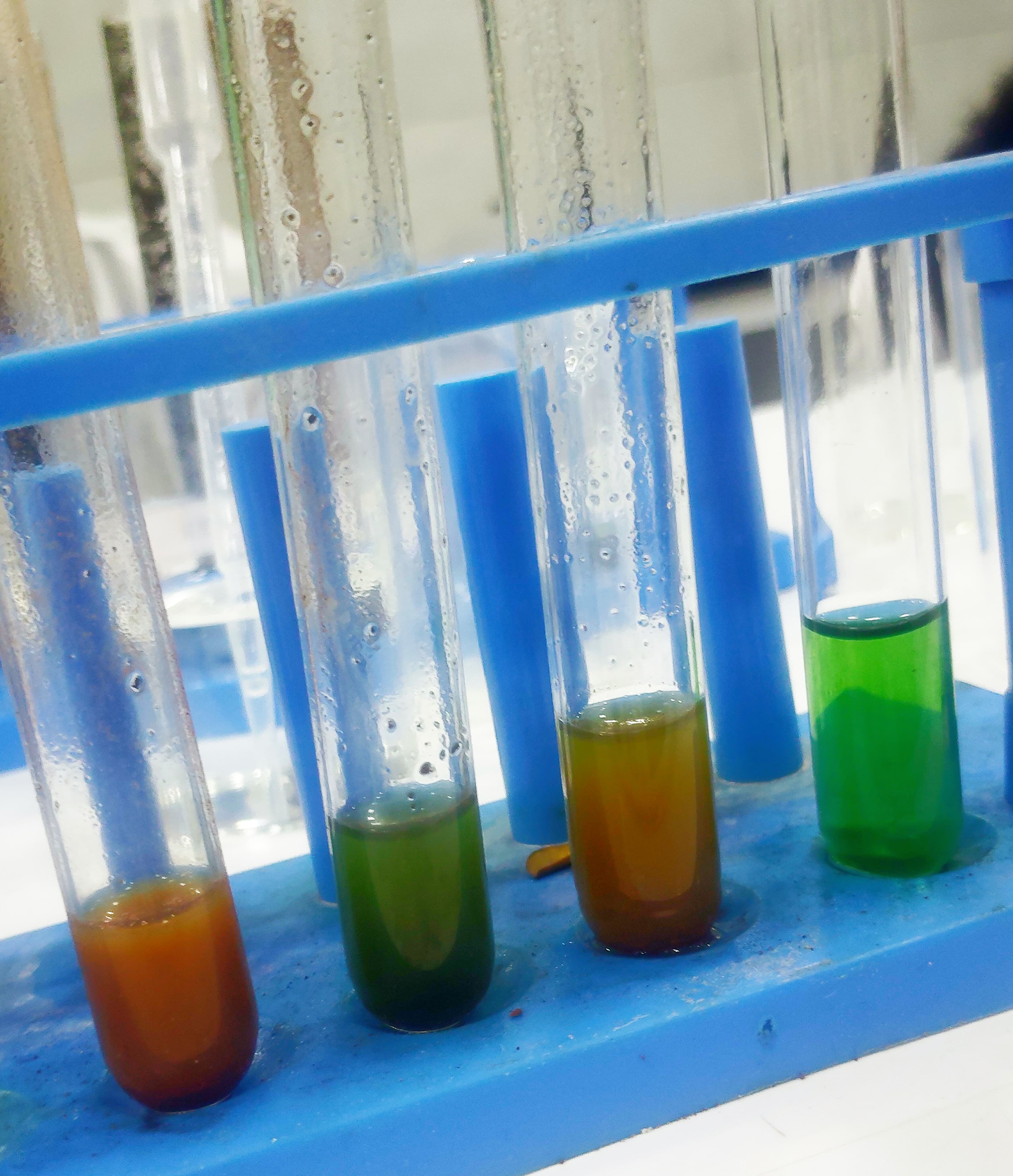
Decision-Grade Data
Sampling design, documentation, and validation are treated as engineering inputs—not optional overhead.
Services
Service lines built around controls—not assumptions.
We define classification rules, acceptance criteria, and documentation responsibilities before the first load-out. That discipline keeps schedules predictable and closes reconciliation gaps before they start.
Inputs
Waste stream + site constraints
- Analytical panels and decision-grade sampling goals
- Operational constraints (active facility, access, downtime windows)
- Jurisdictional requirements and stakeholder risk posture
Controls
Field governance + traceability
- Acceptance criteria locked prior to mobilization
- Chain-of-custody and load-out discipline enforced daily
- Variance logging tied to objective endpoints
Evidence Pack
Deliverables designed for audit
- Sampling plans, QA/QC summaries, and data validation notes
- Profiles, manifests, and volume reconciliation (as-built)
- Closeout narrative aligned to cleanup objectives
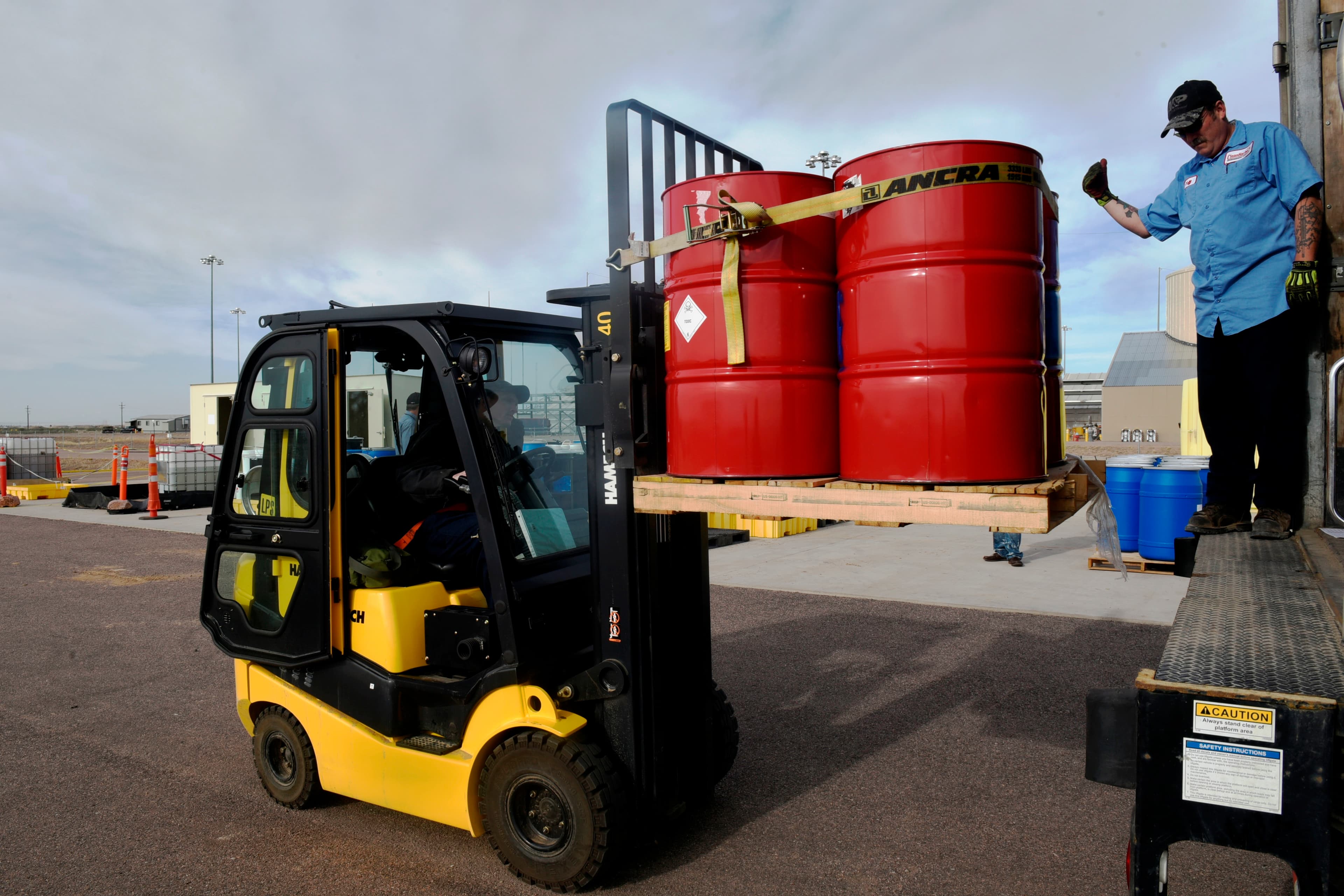
SVC-01
Hazardous Material Transport & Manifesting
Service scope
DOT HazMat-aligned transport planning with defensible chain-of-custody from profile to disposal. Built for RCRA Subtitle C workflows and audit readiness.
Control points
- Waste profiling support (SDS, analytical, process knowledge) to establish generator knowledge and characterization
- RCRA hazardous waste manifesting and e-Manifest documentation continuity
- Route planning, placarding, and segregation controls aligned to 49 CFR requirements
- Exception reporting, discrepancy resolution, and record retention packages for compliance teams
SVC-02
In‑Situ Soil Remediation & Source Control
Service scope
Field execution engineered around contaminant chemistry, hydrogeology, and risk endpoints—minimizing disruption while meeting cleanup levels under state and federal programs.
Control points
- Phase I/II ESA integration: sample plans, QA/QC, and data validation for decision-grade results
- Source-area stabilization (solidification/stabilization, amendment blending, targeted excavation)
- Chemical oxidation/reduction design inputs (reagent selection, contact time, rebound planning)
- Confirmatory sampling and closure documentation packages structured for regulator review
SVC-03
Groundwater Treatment & Long-Term Monitoring
Service scope
Treatment trains designed for persistent plumes and emerging contaminants, with monitoring dashboards that keep stakeholders aligned from startup through final compliance.
Control points
- Pump-and-treat operations with granular activated carbon (GAC), air stripping, and pH adjustment
- PFAS-focused options (ion exchange and polishing) with breakthrough tracking and media changeouts
- Monitoring well networks, field parameter trending, and outlier investigation workflows
- O&M reporting packages suitable for consent orders, CERCLA sites, and voluntary cleanup programs
Need a phased plan aligned to your jurisdiction?
Generate a schedule that includes ESA gates, permitting, active remediation, and monitoring cadence.
Social Proof
Trusted when the compliance stakes are real.
Our clients measure performance in deadlines met, incidents avoided, and documentation that stands up to scrutiny.
“Their team treated our PFAS liability like an engineering problem—not a paperwork exercise. We had defensible sampling, clean manifests, and a regulator-ready closeout narrative weeks ahead of deadline.”
Marisol Kent
Environmental Compliance Manager • Specialty Chemicals Manufacturer
RCRA Large Quantity Generator (LQG)
“We needed Phase II results we could stand behind. The field plan, QA/QC, and data validation were tight—and their chain-of-custody discipline made our internal audit painless.”
Derek Rowe
Director of EHS • Aerospace Components Facility
Solvents & Metals Processes
“They kept operations moving while isolating the source area, shipping impacted media under proper DOT classification, and giving us weekly, metrics-based updates our leadership could actually use.”
Amina Hassan
Facilities Manager • Coastal Fuel Terminal
Hydrocarbon Storage & Transfer
“The difference was documentation quality. Their deliverables were structured for CERCLA-style scrutiny—clear assumptions, clear uncertainty, and a pragmatic pathway to risk reduction.”
Grant Sutherland
Site Risk & Claims Counsel • Industrial Real Estate Portfolio
Redevelopment & Brownfields
FAQ
Compliance questions, answered directly.
The fastest way to reduce project risk is to remove ambiguity around documentation, classification, and closeout expectations.
Contact
Submit a site profile for an engineering review.
Provide your basic site details and waste stream profile. An environmental engineer will respond with next steps, data requirements, and an initial schedule outline.
What to expect
- Data request aligned to your jurisdiction and cleanup objectives
- Initial milestone schedule with investigation and permitting gates
- Clear documentation expectations for profiling, manifests, and closeout